
 31 July 2026
 Share
Share
1
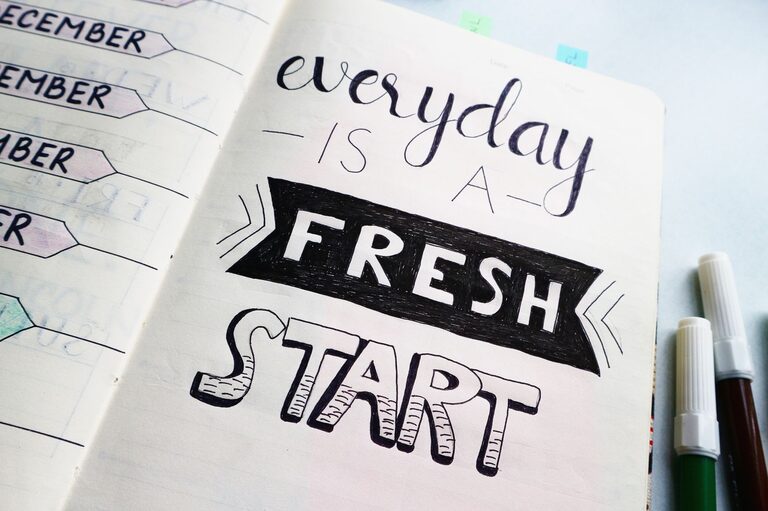
Creativity isn’t just for artists or writers—it’s a skill that anyone can nurture and develop over time. Practicing creativity every day can help you solve problems, express yourself, and even reduce stress. The good news is, you don’t need a fancy studio or special training to get started. Incorporating small, simple habits into your daily routine can unlock your creative potential.
In this post, we’ll explore practical ways to practice creativity daily, no matter your background or lifestyle.
Creativity is like a muscle: the more you use it, the stronger it becomes. Regular creative practice can:
– Boost problem-solving skills
– Improve mental flexibility
– Enhance mood and reduce stress
– Encourage personal growth
– Spark innovation in work and life
Even spending just a few minutes a day on creative activities can make a meaningful difference.
Writing down your ideas, thoughts, or observations can help you see patterns and spark new concepts.
– Use a notebook or an app to jot down ideas as they come.
– Write about anything—dreams, conversations, or things that inspire you.
– Review your entries weekly to notice recurring themes or insights.
You don’t need to be an artist to benefit from drawing. Doodling can free your mind and inspire new ideas.
– Set a timer for 5-10 minutes and draw whatever comes to mind.
– Use simple shapes, patterns, or sketches.
– Don’t worry about perfection; focus on expressing yourself.
Breaking your regular patterns can open your mind to fresh ideas.
– Take a different route to work or school.
– Try a new hobby or activity.
– Rearrange your workspace or living area.
Even small changes encourage your brain to think differently.
Creativity often starts with careful observation.
– Spend a few minutes each day noticing details around you—a tree, a building, or people.
– Practice mindfulness meditation to sharpen your focus.
– Write or sketch what you observe to deepen your connection to the world.
Prompts give your mind a starting point, which can reduce the pressure of creating something from scratch.
– Look for daily writing or drawing prompts online.
– Use random words, images, or questions to spark ideas.
– Challenge yourself to respond quickly to prompts for spontaneous creativity.
Sharing ideas can lead to unexpected inspiration.
– Brainstorm with friends, family, or colleagues.
– Join creative groups or workshops.
– Give and receive constructive feedback.
Collaboration helps you see problems and solutions from new angles.
A cluttered mind can stifle creativity.
– Set aside dedicated time for creative activities, free from distractions.
– Turn off notifications on your phone or computer.
– Create a quiet or inspiring space for work.
Even short, focused sessions can boost creative output.
Creativity thrives when you give yourself permission to try and fail.
– Allow yourself to make mistakes or create things that aren’t “perfect.”
– Explore different materials, techniques, or ideas.
– Celebrate the process rather than just the final product.
Exposure to new ideas feeds creativity.
– Read books, articles, or blogs on diverse topics.
– Listen to podcasts or watch videos outside your usual interests.
– Reflect on what you learn and how it connects to your own thinking.
A positive mindset encourages creative thinking.
– Keep a gratitude journal to focus on what’s working well.
– Celebrate small creative achievements.
– Surround yourself with encouraging people and uplifting content.
Start small. Pick one or two of these techniques and incorporate them into your daily routine. For example, you might begin by keeping a creativity journal and trying a quick doodle each day. Over time, experiment with additional methods that resonate with you.
Remember, creativity isn’t about perfection or being the best. It’s a way to connect with yourself and the world in new and meaningful ways. By practicing a little every day, you’ll find your creative confidence growing naturally.
Creativity is accessible to everyone. With mindful practice and simple daily habits, you can nurture your creative spark and enjoy the benefits in every part of your life. Start today—your future self will thank you for it!
