
 31 July 2026
 Share
Share
1
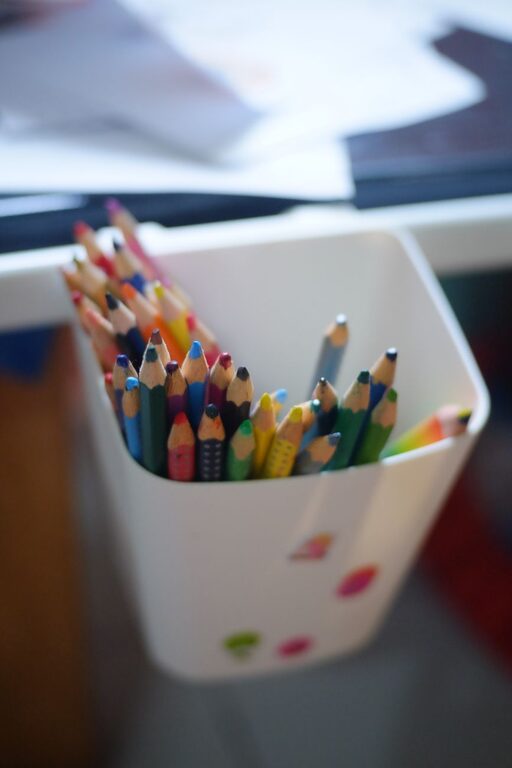
Children’s artwork is a wonderful expression of their creativity and growth. From colorful paintings to imaginative drawings, each piece holds special memories for both kids and parents. However, as the collection grows, it can quickly become overwhelming. Keeping kids’ art organized not only helps maintain a tidy home but also makes it easier to enjoy and preserve these precious creations.
In this post, we’ll explore practical tips and creative ideas to organize your children’s artwork, ensuring it stays neat, accessible, and appreciated.
Before diving into how to organize, it’s important to understand why staying organized benefits both you and your children:
– Reduces clutter: Helps keep your home orderly and manageable.
– Preserves memories: Keeps artwork safe and prevents damage or loss.
– Boosts creativity: Makes kids feel proud and encourages them to create more.
– Simplifies decision-making: Avoids feeling overwhelmed when deciding what to keep or discard.
With these benefits in mind, let’s look at specific strategies you can use.
Having a designated spot for your child’s artwork can make organization much easier.
– Choose a corner or shelf where your kids can store supplies and finished projects.
– Include folders, bins, or trays labeled by child or type of art.
– Make it part of your daily routine for artwork to be returned to this space.
– Hang corkboards or magnetic boards to showcase current masterpieces.
– Rotate artwork regularly to keep the display fresh and exciting.
– This not only organizes but also celebrates their work.
Artwork can accumulate quickly, so it’s important to sort through it frequently.
– Separate pieces by date, type, or child.
– Decide what to keep, toss, or gift.
– Involve your child in the process to teach decision-making and respect for their work.
– Take photos of bulky or less meaningful pieces before discarding.
– Keep only the most special or representative artworks in physical form.
– Consider recycling old drawings or using them creatively (e.g., as wrapping paper).
Choosing the right storage is key to protecting and organizing artwork.
– Use large, flat portfolio folders or artist’s cases.
– Label folders by year or child.
– Store under the bed or in closets to save space.
– Photograph or scan artwork for digital archives.
– Organize digital files by date and type.
– Create photo books or slideshows as keepsakes.
– Place smaller pieces inside plastic sleeves in binders.
– Add notes or dates to preserve context.
– Scrapbooks allow for creative customization and storytelling.
Showcasing art can be part of the organization process.
– Use simple frames to feature rotating favorites.
– Create collages or themed displays for events or seasons.
– String wire or ribbon with clothespins for easy hanging.
– Use clipboards mounted on walls for quick art swaps.
– Turn art into calendars, greeting cards, or notebooks.
– Incorporate pieces into home décor, such as placemats or coasters.
Sharing artwork can help reduce volume and spread joy.
– Use handmade cards or framed pieces as gifts.
– Send art in letters or packages to relatives.
– Host a mini exhibition at home or school.
– Participate in community art exchanges.
Long-term preservation requires a system that suits your needs.
– Mark artwork with dates, titles, or descriptions.
– Helps track your child’s progress over time.
– Apps specifically designed to organize kids’ artwork.
– Cloud storage ensures files are safe and accessible anywhere.
– Revisit stored art yearly to update collections.
– This keeps the archive manageable and relevant.
Organizing your kids’ art doesn’t have to be overwhelming. By creating dedicated spaces, sorting regularly, using effective storage, and displaying artwork creatively, you can celebrate your children’s creativity while maintaining a clutter-free home. Remember, the goal is to cherish these moments and make organization a fun, ongoing process.
Give these tips a try and enjoy the beautiful balance between creativity and order in your family life!
