
 31 July 2026
 Share
Share
1
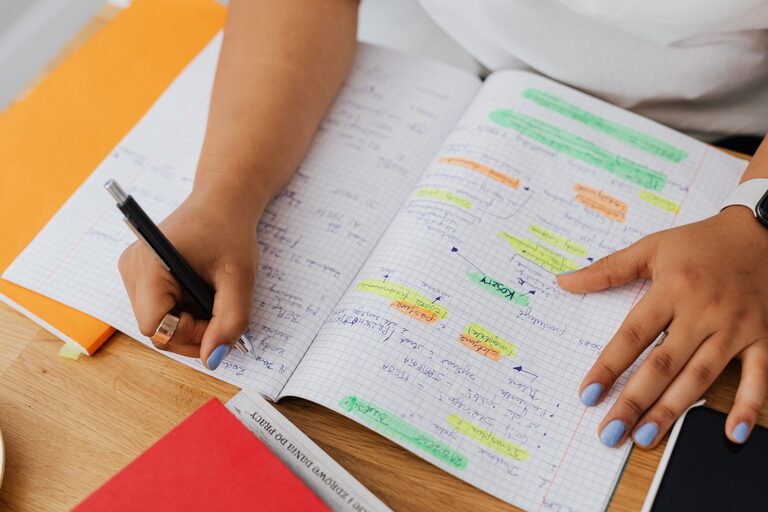
Choosing the right notebook may seem like a small decision, but it can have a big impact on your productivity, creativity, and overall enjoyment. Whether you’re a student, professional, artist, or someone who loves to jot down thoughts, the perfect notebook can inspire you to write more often and stay organized.
In this guide, we’ll explore key factors to consider when picking a notebook you’ll actually use regularly. From size and paper type to cover design and binding, these tips will help you make a great choice.
Many people buy notebooks on impulse but end up never using them. This often happens because the notebook doesn’t fit the user’s habits or preferences. A notebook that feels awkward, is too bulky, or has paper you don’t like can discourage you from writing. On the other hand, a well-chosen notebook invites you to open it, making writing or sketching feel like a pleasant activity instead of a chore.
Start by identifying how you intend to use the notebook. This will guide many of your choices.
– Journaling or Diary: You might want something personal and durable, with an attractive cover.
– Work or School Notes: Focus on practical features like page layout and size.
– Creative Writing or Drawing: Consider paper texture and quality for pens or pencils.
– Planning and Lists: Look for notebooks with dated pages or built-in organizational tools.
Knowing your primary use helps narrow down the options and saves you time.
Notebook sizes vary widely, and size affects portability and usability.
– Pocket-sized (3.5″ x 5.5″ or smaller): Great for quick notes or to carry everywhere but may feel cramped.
– Medium (5″ x 8″ or similar): A popular size that balances space and portability.
– Large (8.5″ x 11″ or bigger): Best for detailed notes, sketches, or if you want to keep everything in one place.
Think about where you’ll carry it and how much writing space you need daily.
Paper quality affects the writing experience and whether your pen or pencil will bleed through.
– Weight: Measured in grams per square meter (gsm). Higher gsm means thicker paper (typical notebook paper is 70–100 gsm).
– Texture: Smooth paper is best for pens, while slightly textured paper suits pencils.
– Color: White or cream paper is easier on the eyes than bright white.
– Special Features: Some notebooks offer dotted, grid, or blank pages for different uses.
If you use fountain pens or markers, look for notebooks with bleed-resistant paper.
The way pages are formatted can make a big difference:
– Lined: Ideal for writing and note-taking.
– Blank: Perfect for drawings or freeform writing.
– Grid or Graph: Great for technical notes, charts, or bullet journaling.
– Dot Grid: Combines the benefits of lined and blank pages; popular for flexible layouts.
Some notebooks even mix different layouts, so consider what suits your style best.
Binding affects durability and how the notebook lays flat.
– Spiral or Wire-bound: Opens easily and lays flat but can snag in bags.
– Perfect Bound (Glue): Looks clean but may not lay flat.
– Sewn or Thread-bound: Durable, lays flat, often considered premium.
– Stapled: Usually for thinner notebooks or booklets.
Choose based on how you plan to write—if you prefer to keep the notebook open on a desk, a binding that allows it to lay flat is helpful.
The cover protects your pages and reflects your style.
– Hardcover: Offers better protection and a sturdy writing surface.
– Softcover: Lightweight and flexible; easier to carry but less protective.
– Material: Options include leather, faux leather, cardboard, or plastic.
– Design: Some covers are plain, others have patterns or inspirational quotes.
If you carry your notebook everywhere, a sturdy cover can extend its life.
Some notebooks come with handy extras that may enhance your experience.
– Built-in bookmarks or ribbons
– Elastic closure bands
– Pen holders or pockets
– Numbered pages or index sections
– Perforated pages for easy removal
Decide which features are must-haves or nice-to-haves based on your needs.
If you’re buying in person, flip through a few notebooks to get a feel for the paper weight, texture, and size. Try writing a few lines with your pens or pencils to check for bleed-through or smudging.
If you shop online, look for detailed reviews and images to get an idea of what to expect.
Once you’ve chosen the perfect notebook, keep it somewhere you’ll see and use regularly. This helps build the habit of writing or planning daily.
– Don’t hesitate to try different notebooks until you find the one that clicks.
– Remember that the cheapest notebook isn’t always the best investment.
– Personalize your notebook with stickers, labels, or doodles to make it inviting.
– Pair your notebook with a favorite pen to make writing more enjoyable.
—
Choosing a notebook tailored to your preferences can motivate you to write, plan, or create consistently. By considering purpose, size, paper, binding, and features, you’ll find the notebook that fits your lifestyle—and that you’ll actually use. Happy writing!
